Problem 04
“We need an app. Yesterday.”
Every month the app stays in planning, your customers do that job somewhere else, in an app somebody else shipped.
What it actually costs
What it is costing you
Why it happens
Why it happens
Apps stall before a line of code is written. Someone drafts a feature list, then everyone adds to it: a loyalty scheme, a chat function, a dashboard for the board. The scope grows, the quote grows, the start date slides, and six months later there’s a 200-page specification and still no app. Meanwhile customers keep booking, ordering and asking questions the slow way, or somewhere else.
Not ambition. Arithmetic. Every feature added before launch is a guess about what customers want, and every guess adds weeks of building, testing and fixing. Each feature then has to be designed, tried on every kind of phone and maintained for as long as the app exists. The research behind the figures above found the real danger isn’t the average overrun. It’s the one project in six that runs wildly over budget and badly late, and nobody planning a project thinks theirs will be that one.
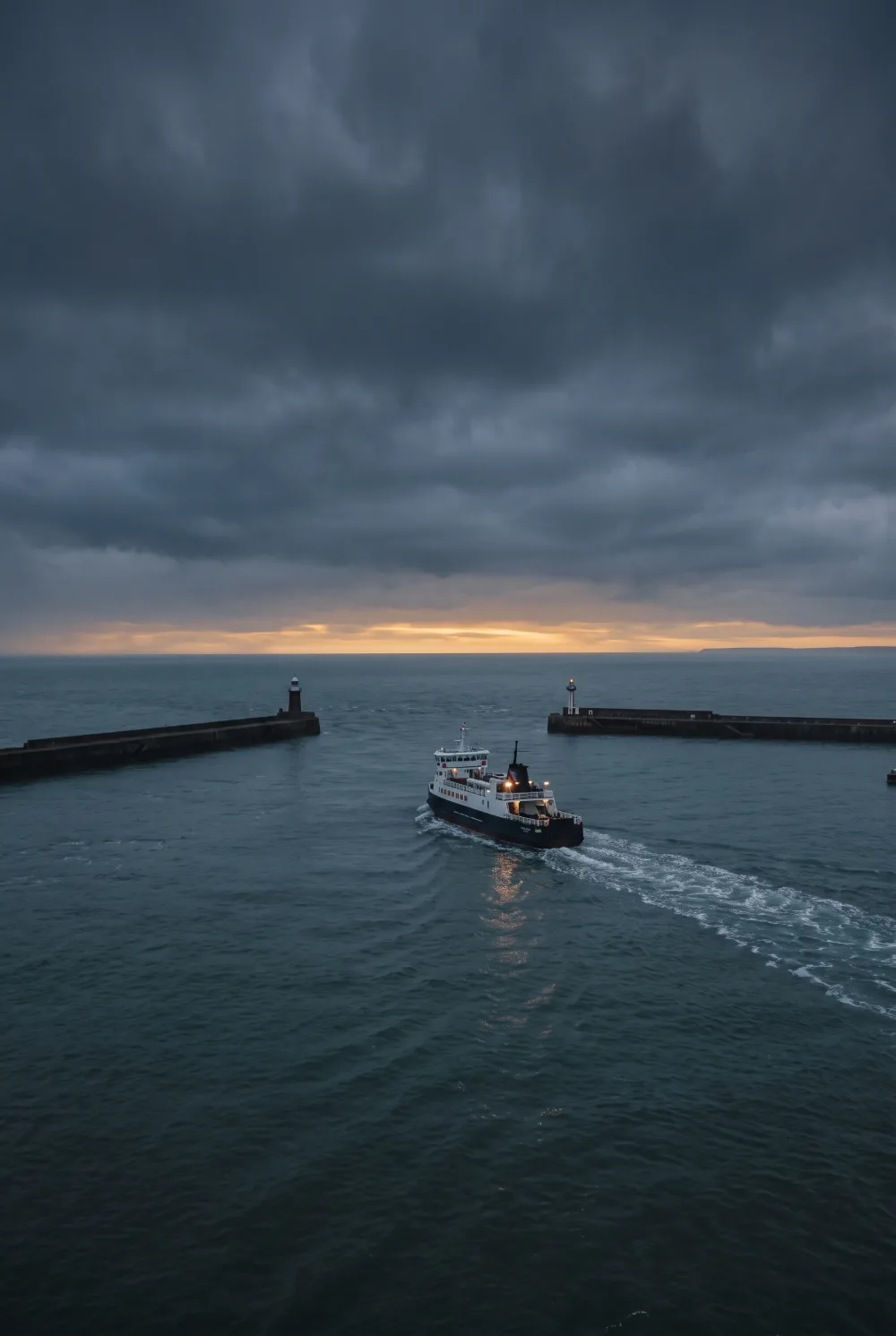
The fix is less glamorous and much faster: decide the one job the app must do well, ship it, and let real use decide what comes next. Version one was never meant to be the last version; it was meant to be in people’s hands. Ferries leave on a timetable, not when the last idea is on board. Barn Gym in Burwash ran on paid community and booking tools, with workout and meal plans written by hand for every client. One platform now handles bookings and waitlists, training logs, meal plans and the members’ community, and it’s becoming a product for other gyms.
How we fix it
How we fix it
- 01
We agree the one job version one must do.
It fits on a page, not a 200-page deck, and a tight first version ships in weeks while a wish list never ships at all.
- 02
We pick the platform that fits, and say when a web app will do.
iPhone, Android, the web or all three: we build each, so we’ve no reason to sell you the expensive option when the cheaper one does the job.
- 03
You watch it being built, not just delivered.
A written update every week and a demo every two weeks, against a fixed price and a fixed timeline, means no six-month silence followed by a big reveal, and you can change your mind while it’s still cheap to.
- 04
Where AI earns its place, a person still signs off.
At Barn Gym, the coaches’ meal planner uses AI to draft a full week of meals in seconds, so coaches start from a draft instead of a blank page.
- 05
You own the code, the data and the accounts from day one.
Version one is the start, so real use decides version two, and you can keep us improving it or hand it to your own team.
Proof
Shipped and running
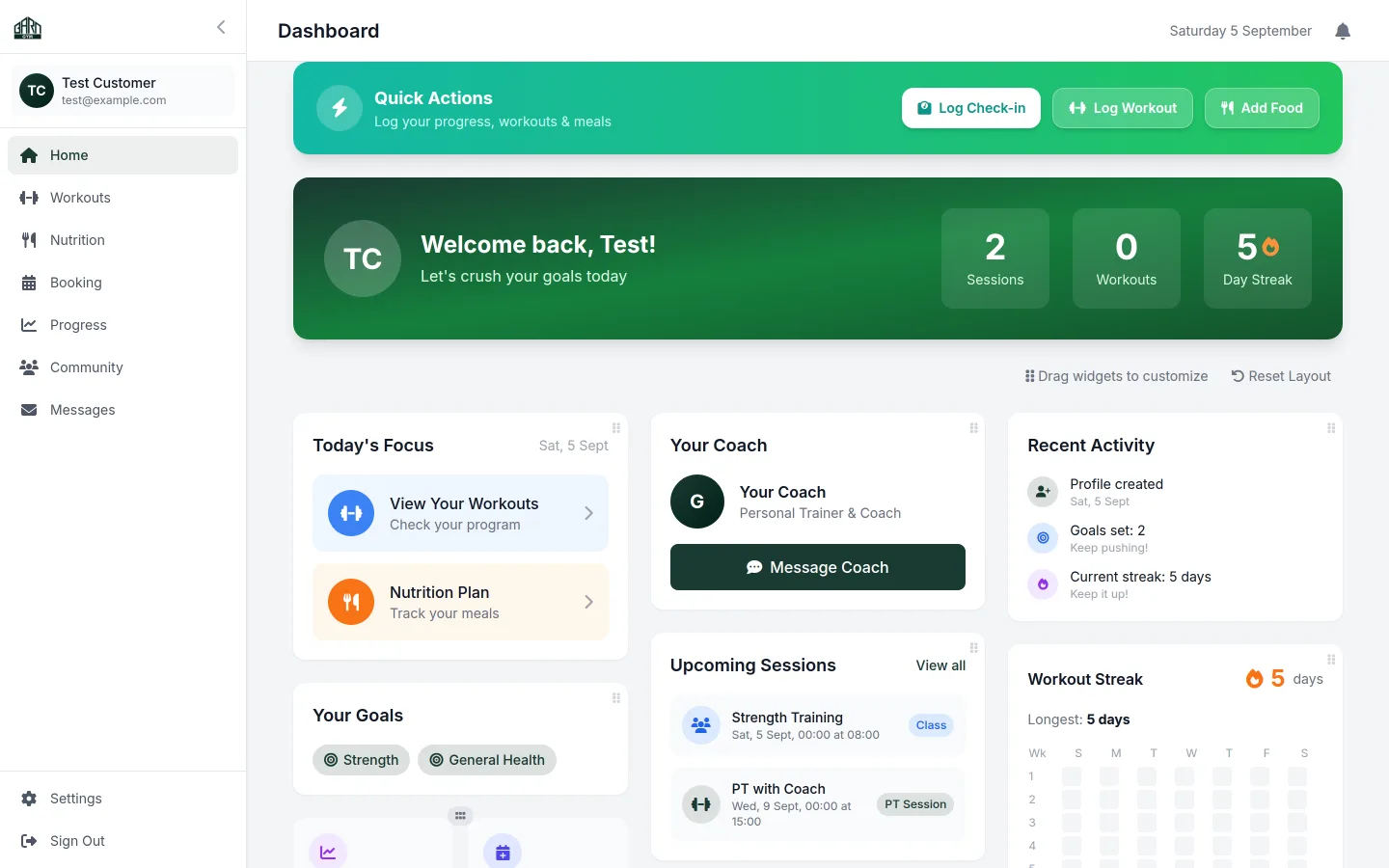
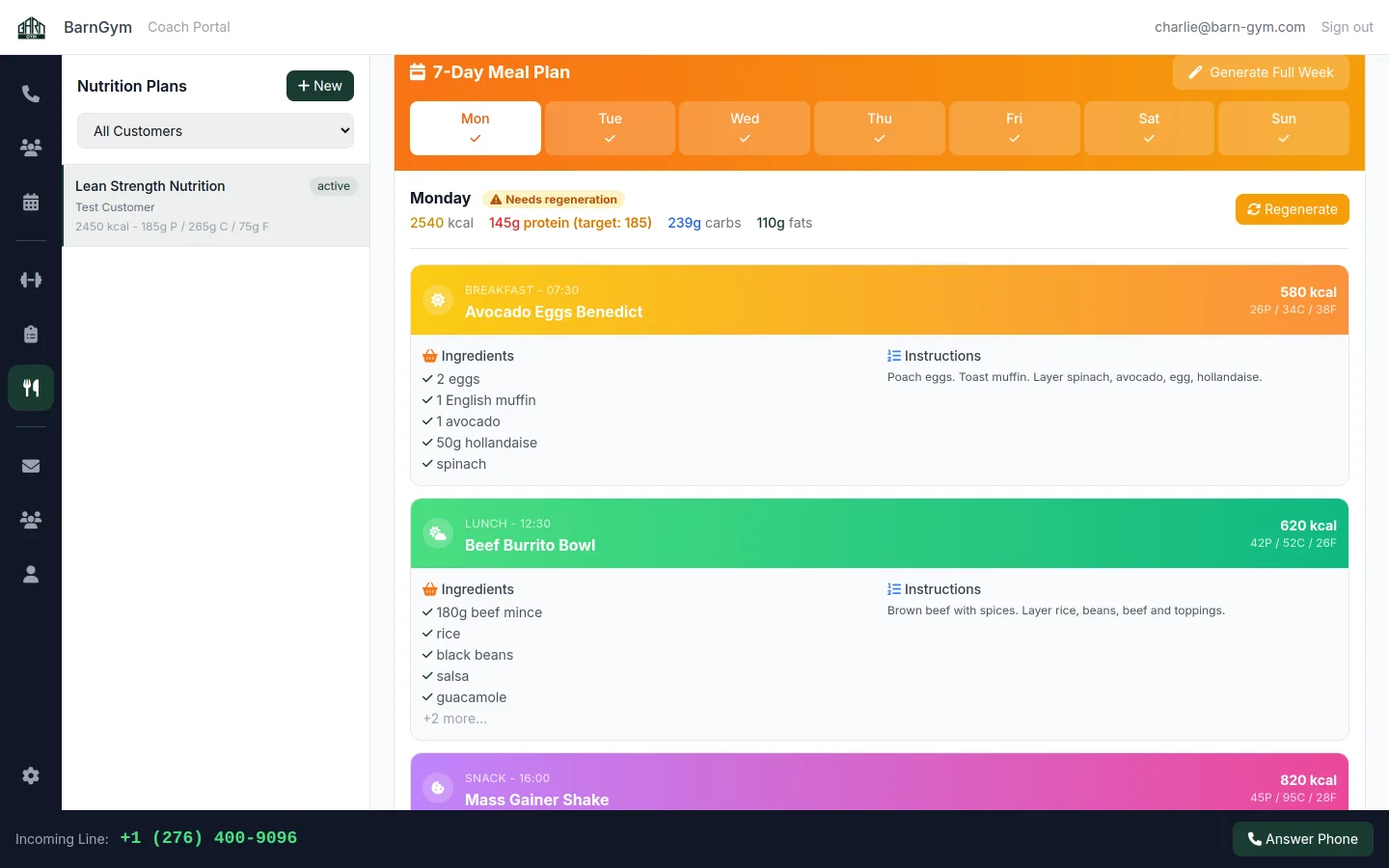
Barn Gym · Personal training and group fitness, Burwash, East Sussex
A gym’s operating system, now becoming a product.
Bookings, waitlists, coach-built plans, AI-drafted meal weeks and a members’ community, on one platform that replaced a paid community tool and separate booking.
205exercises, plus 120 meals, in the libraries
What it runs on
What it runs on
Questions people ask
Questions people ask
How long does it take to build an app?
Less time once it’s smaller. The first thing we do is shrink the brief to a version that does one job properly, then quote a fixed price and a fixed timeline for it, measured in weeks rather than quarters. You see working software every two weeks along the way, so there’s no big reveal at the end, and what real users do with version one shapes what we build next. The biggest delays are usually decisions rather than code, so we agree who decides what before we start. If anyone promises you everything by next month without asking what it’s for, be suspicious, including of us.
Do we need iPhone and Android, or will a web app do?
It depends on the job, and we’ll tell you which on the review call. The question is where your customers are when they need it: in the shop, on the gym floor, on the sofa at 10pm. Sometimes a web app saved to the home screen does everything, with no app store in the way. Sometimes the job needs a full iOS and Android app. We build all three, so we’ve no reason to steer you towards the expensive one, and the reasoning goes in writing in the proposal.
What have you built before?
The fullest example is Barn Gym’s platform in Burwash: class, personal training and consultation booking with automated waitlists, a 205-exercise library and a 120-meal database behind coach-built plans, set-by-set training logs with personal records and progress photos, a members’ community with challenges and coach messaging, and admin dashboards for the owner, all with per-gym branding. AI drafts a full week of meals in seconds for the coaches to work from. It replaced a paid community tool and separate booking software, and it’s now becoming a product for other gyms.
What does an app cost?
Enough that you should know what it will earn before you build it. We quote a fixed price after the free review, with the value case beside it, and if the app isn’t worth building yet we’ll say so. There’s no hourly meter running, and the scope, price and timeline are fixed before we start. We’ll also show you what it costs to run, because an app has hosting, app store accounts and updates after launch. Often the better first move is something smaller that proves people want it, and we’d rather sell you that than an expensive app nobody opens.
Who looks after it once it’s live?
Your choice. Apps need looking after: phones update, app stores change their rules and users find things nobody tested. You own the code and the accounts, so your own team or another developer can take that on without asking us, or we keep running and improving it for you, version by version. If you’re sitting on a half-built app from someone else, bring it to the review call and we’ll tell you plainly whether to finish it or start again, and why.

Free business review
Tell us what’s slow. We’ll tell you what to fix first.
A call of 20 to 30 minutes. We find the gaps, the leaks and the quick wins, and what each one is worth to you. Fixed price after that, no hourly rates. No 200-page deck.
Or tell us what you want to achieve and Dan will come back to you within one working day. Email dan@danielnicholls.com.