The business brain
Is this just ChatGPT?
“Is this just ChatGPT?” It is a fair question, and we get it a lot. If anyone can open a chat window for the price of a subscription, what exactly would you be paying us for?
Short answer: no. Here is the longer one, without the jargon.
A chat window is a tool, not a system
ChatGPT is very good at one-off jobs: a first draft, a summary, a reply to an awkward email. You ask, it answers, and you copy the answer somewhere else.
On its own, it knows what you put into it. It does not know your prices, your diary, your customers or what you promised someone on Tuesday, unless somebody copies that in. And it only works while somebody sits there asking. Usually, that somebody is you.
That is the gap. In a chat window, the person is the integration: copying things in, copying things out, and remembering what happened last time.
What the work actually is
Here is what you pay an agency like us for. Very little of it is typing into a chat box.
- Choosing the problem worth solving first, and the right tool for it, which is often not a chatbot at all.
- Wiring AI into the tools you already use, like your CRM, website, inbox and calendar, so it works from your real information. MCP servers do that job: your tools, wired into the AI.
- Guardrails, so the output is right and not just plausible, and a person signs off anything that goes out.
- Training, so your team can run it and the capability stays in your building.
- Measurement, so you know it saved hours or answered leads, rather than just felt clever.
What it looks like in a real business
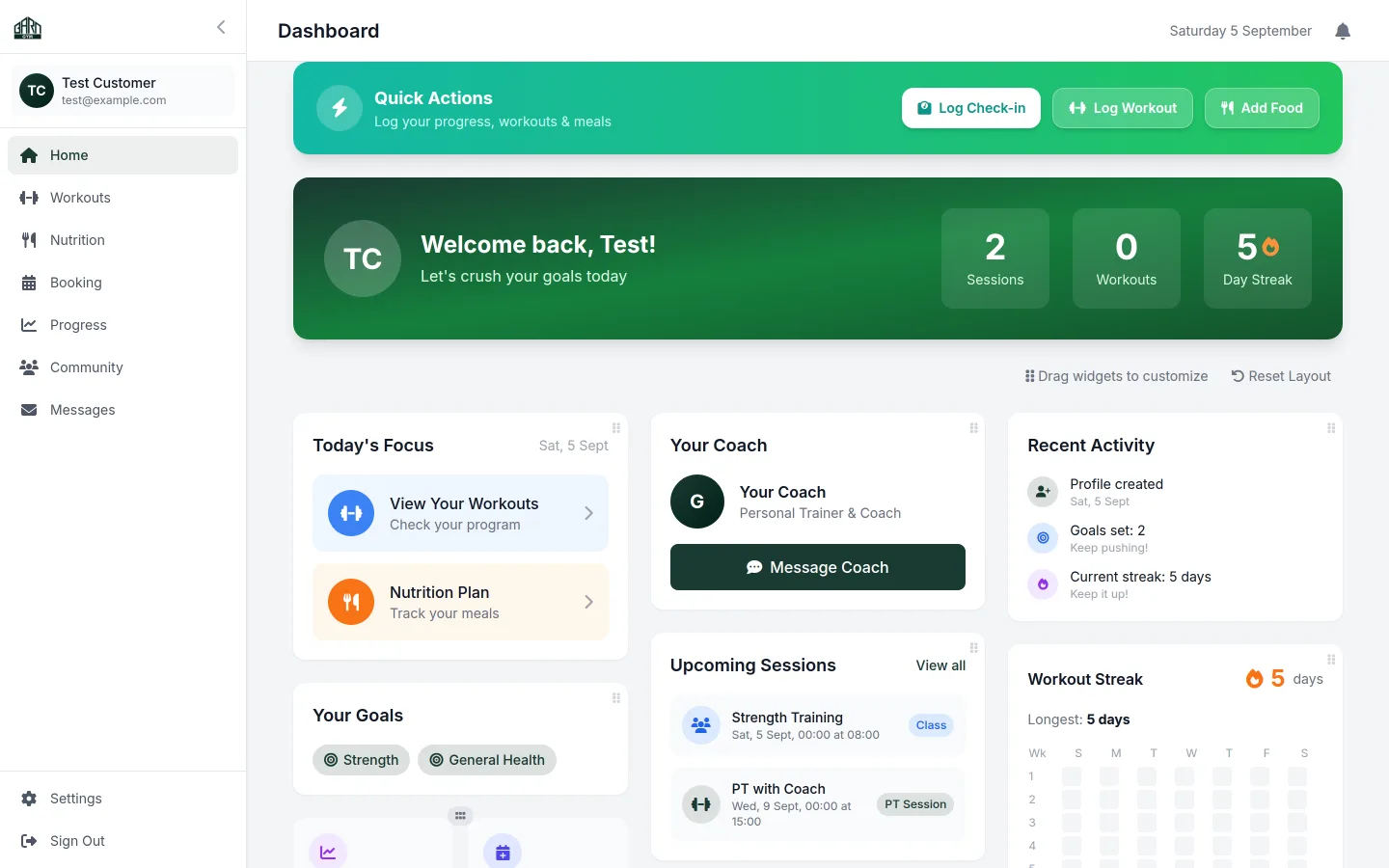
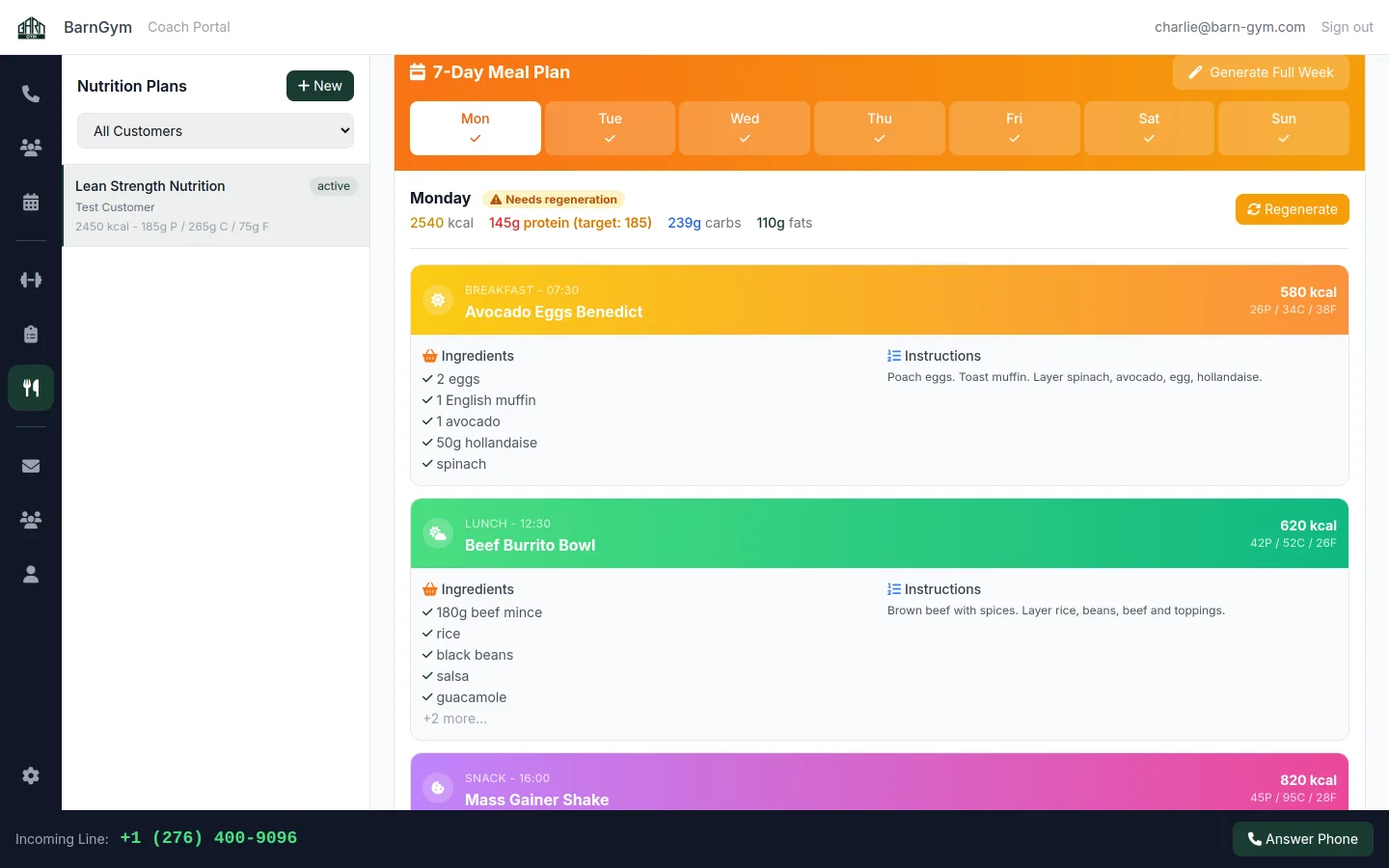
At Barn Gym, in Burwash, coaches used to write every meal plan by hand. Now, in the coach portal, one button has the AI draft a full week of meals in seconds. The coach checks it, regenerates any day that is off, and decides what the member gets. Nobody copies anything into a chat window.
At Game & Flames, a live-fire caterer in Bexhill-on-Sea, the AI transcribes a recorded sales call, works out who said what and drafts the follow-up email, right next to the lead in the CRM. A person reads it and sends it.
In both cases the model is not the clever part. Where it sits is: inside the system the business already runs on, with the right information in front of it and a person at the end of the line.
Anyone can buy a saw. That does not make them a builder.
An analogy, because every article needs one
Anyone can walk into a hardware shop and buy a saw. The tools are the same for everyone. Knowing what to build, in what order, to a standard that lasts, is the job.
AI works the same way. Most businesses can get at broadly the same models. What differs is what you connect them to, what you let them do, and who checks the work.
But AI makes things up
It does, sometimes. That is why nothing we build sends a message without a person signing it off, unless you have told us otherwise in writing. We design for the mistake, not around it. A chat window leaves the checking to you, every single time.
Where this is heading: the business brain
Every business is about to need a business brain: one central memory of how the business works, written so AI can read it, and connected to the CRM, website, inbox, calendar, social channels and finance. Staff and AI agents both read from it and write to it.
Without one, AI stays as a row of separate chat windows, each starting from scratch. With one, a business can hand a whole workflow to agents - the reply, the quote, the chase - with a person signing off the last step.
It is also why we build the way we do. The CRM that holds every lead, the site that takes every enquiry, the agent that works from the real price list: each one is a door into that brain.
So, is this just ChatGPT? The chat window is where most people meet AI. What we build is everything behind it.
Five questions to ask anyone selling you AI
- What will be running in four weeks, not four quarters?
- What does it connect to: our CRM, our inbox, our website?
- Who checks what it writes before it reaches a customer?
- How will we know it worked, in hours, leads or pounds?
- Who owns the code, the data and the accounts when you leave?
If the answers are vague, the product probably is too. Ours are in our case studies, with the numbers we can publish.
When ChatGPT really is enough
Sometimes it is. If what you need is better first drafts, a few good prompts and an afternoon of practice may be all it takes. We will tell you that on the call, because we would rather say it now than sell you something you do not need.
And if your team already pays for ChatGPT and barely uses it, that is a training problem, not a technology one. It is the problem our half-day and full-day workshops exist for, and they are built for owners and their teams, not the IT department.
The Free Business Review is where we find out which it is: a call of 20 to 30 minutes, then a plain-English summary within one working day, with three things to fix, in order. If the answer is “a better prompt”, that is what the summary will say.